Korean Bibimbap
Highlighted under: Heritage Kitchen
Korean Bibimbap is a vibrant and nutritious dish that combines rice with a variety of vegetables, protein, and a spicy sauce, creating a delightful mix of flavors and textures.
Korean Bibimbap is not just a meal; it's a culinary experience that showcases the harmony of flavors and textures found in Korean cuisine. This dish is often served in a hot stone bowl, allowing the rice to achieve a crispy bottom layer while the vegetables and protein are beautifully arranged on top.
Why You'll Love This Recipe
- A colorful array of vegetables packed with nutrients
- Customizable with your favorite proteins and toppings
- A perfect balance of spicy, savory, and umami flavors
The Heart of Bibimbap
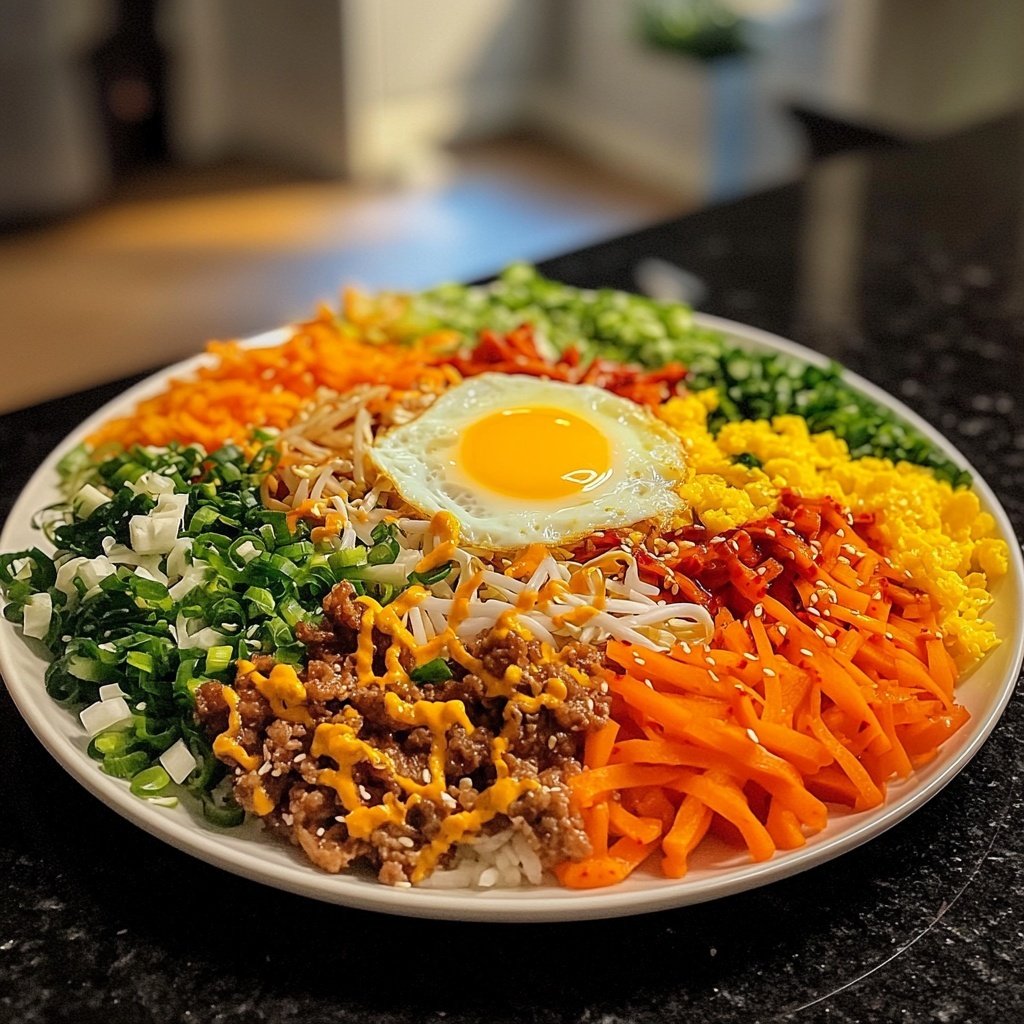
Bibimbap, which translates to 'mixed rice,' is a quintessential dish in Korean cuisine. Originating as a way to use up leftover vegetables and rice, it has evolved into a beloved meal around the world. Each ingredient in bibimbap not only adds to the visual appeal but also contributes to a harmonious blend of flavors and textures. From the crispness of fresh vegetables to the creaminess of the fried egg, every element plays a vital role in this vibrant dish.
The beauty of bibimbap lies in its versatility. You can easily adapt it to suit your dietary preferences or what you have on hand. Whether you prefer tofu, chicken, or beef as your protein, the possibilities are endless. This adaptability makes bibimbap a fantastic option for meal prep or family dinners, allowing everyone to customize their bowl with their favorite ingredients.
The Importance of Fresh Ingredients
Using fresh, seasonal vegetables is key to achieving the best flavor and nutritional value in your bibimbap. Ingredients like spinach, carrots, and zucchini not only enhance the dish's color but also provide essential vitamins and minerals. When you choose fresh produce, you're not just elevating the taste; you're also nourishing your body with wholesome goodness.
Consider visiting your local farmer's market to find the freshest vegetables available. Not only will this support local agriculture, but you'll also discover unique varieties that can add a twist to your traditional bibimbap. Fresh ingredients will make a noticeable difference in the taste and presentation of your dish.
Tips for Serving and Enjoying Bibimbap
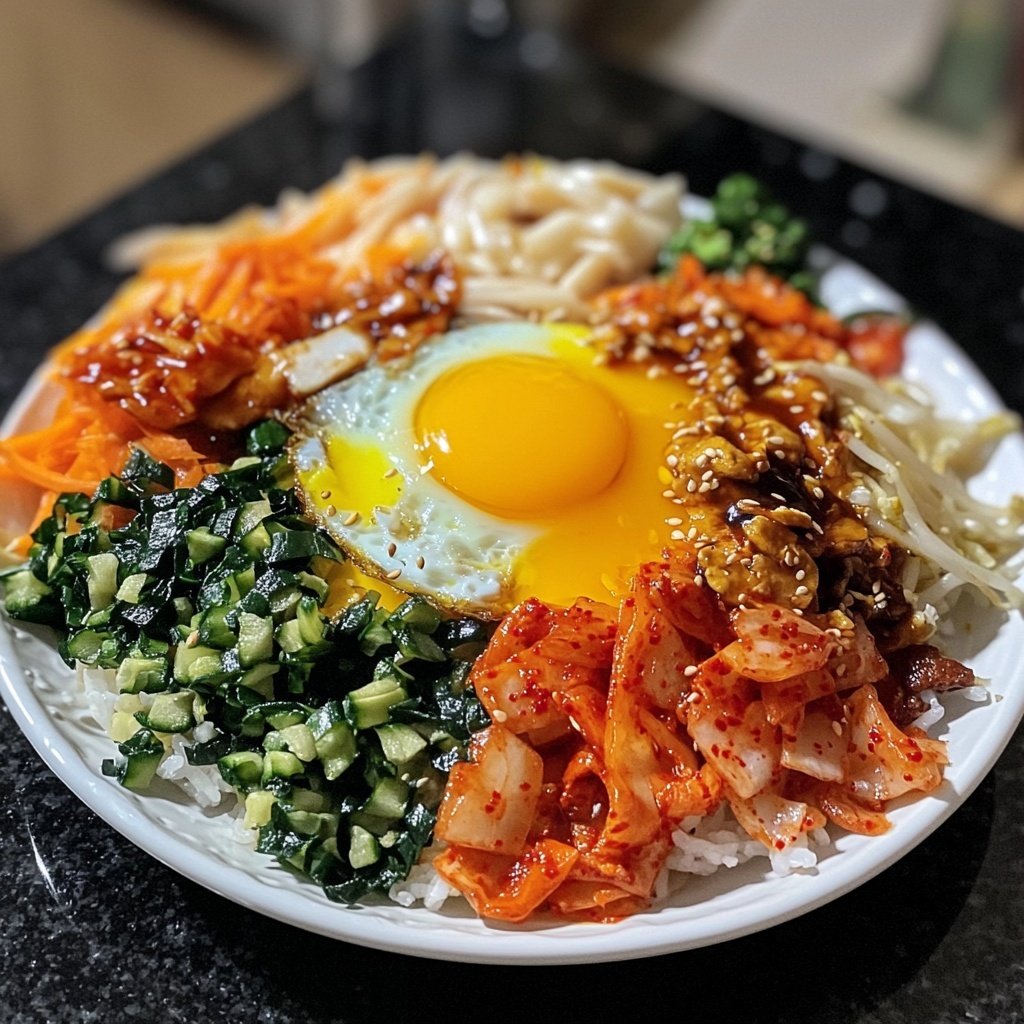
Bibimbap is traditionally served in a hot stone bowl, which helps to keep the rice warm and creates a delicious crispy layer at the bottom. If you don't have a dolsot (stone bowl), a regular bowl will work just fine. To enhance the experience, consider serving your bibimbap with a side of kimchi or pickled vegetables, which add an extra layer of flavor and crunch.
When you're ready to eat, mix all the ingredients together thoroughly. This ensures that every bite is a delicious combination of flavors and textures. Don't forget to adjust the amount of gochujang according to your spice preference. This Korean chili paste is the secret ingredient that ties everything together, adding a delightful kick to your meal.
Ingredients
For the Bibimbap
- 2 cups cooked rice
- 1 cup spinach, blanched
- 1 cup carrots, julienned
- 1 cup zucchini, julienned
- 1 cup bean sprouts, blanched
- 1 cup shiitake mushrooms, sautéed
- 4 eggs
- 2 tablespoons sesame oil
- Salt to taste
- Gochujang (Korean chili paste) for serving
- Sesame seeds for garnish
Feel free to add your favorite protein, such as beef, chicken, or tofu, to make it even more filling!
Instructions
Prepare the Vegetables
Blanch spinach and bean sprouts in boiling water for 1-2 minutes, then drain and set aside. Sauté the shiitake mushrooms in a bit of sesame oil until tender. Julienne the carrots and zucchini.
Cook the Eggs
In a non-stick pan, fry the eggs sunny-side up, keeping the yolk runny. Season with a pinch of salt.
Assemble the Bibimbap
In a large bowl or hot stone bowl, layer the cooked rice at the bottom. Arrange the prepared vegetables and fried egg on top. Drizzle with sesame oil and serve with gochujang on the side.
Serve
Mix everything together before eating to enjoy the full array of flavors!
Enjoy your homemade Korean Bibimbap!
Pro Tips
- Feel free to customize your Bibimbap with seasonal vegetables or your choice of protein for a unique twist.
Nutritional Benefits of Bibimbap
Bibimbap is not only a feast for the eyes but also a powerhouse of nutrition. The combination of vegetables provides a range of vitamins and antioxidants that support overall health. Spinach, for example, is rich in iron and calcium, while carrots are loaded with beta-carotene, promoting healthy skin and vision. This dish makes it easy to incorporate a variety of nutrients into one meal.
Additionally, the inclusion of protein from eggs or your choice of meat helps to keep you satiated. This balance of macronutrients—carbohydrates, proteins, and fats—makes bibimbap a well-rounded option for any meal. It's particularly beneficial for those looking to maintain or lose weight without sacrificing flavor or satisfaction.
Variations to Try
While traditional bibimbap is delicious, experimenting with variations can yield exciting new flavors. For a vegetarian twist, replace meat with marinated tofu or tempeh for added texture and protein. You might also consider using different grains, such as quinoa or farro, instead of rice to switch up the base while keeping it healthy.
Additionally, feel free to experiment with various sauces beyond gochujang. A sesame dressing or a spicy peanut sauce can add a creative flair to your bibimbap. Don't hesitate to mix and match ingredients to create a version that suits your taste buds best, making this dish your own.
Questions About Recipes
→ Can I make Bibimbap vegetarian?
Absolutely! Simply omit the meat and add more vegetables or tofu for protein.
→ What if I can't find gochujang?
You can substitute gochujang with another spicy chili paste, but the flavor will differ.
→ Can I prepare the ingredients in advance?
Yes, you can prepare and store the vegetables in the refrigerator a day before assembling.
→ Is Bibimbap gluten-free?
Make sure to use gluten-free soy sauce and check the ingredients in gochujang to ensure it's gluten-free.
Korean Bibimbap
Created by: Phoebe Langridge
Recipe Type: Heritage Kitchen
Skill Level: Intermediate
Final Quantity: 4 servings
What You'll Need
For the Bibimbap
- 2 cups cooked rice
- 1 cup spinach, blanched
- 1 cup carrots, julienned
- 1 cup zucchini, julienned
- 1 cup bean sprouts, blanched
- 1 cup shiitake mushrooms, sautéed
- 4 eggs
- 2 tablespoons sesame oil
- Salt to taste
- Gochujang (Korean chili paste) for serving
- Sesame seeds for garnish
How-To Steps
Blanch spinach and bean sprouts in boiling water for 1-2 minutes, then drain and set aside. Sauté the shiitake mushrooms in a bit of sesame oil until tender. Julienne the carrots and zucchini.
In a non-stick pan, fry the eggs sunny-side up, keeping the yolk runny. Season with a pinch of salt.
In a large bowl or hot stone bowl, layer the cooked rice at the bottom. Arrange the prepared vegetables and fried egg on top. Drizzle with sesame oil and serve with gochujang on the side.
Mix everything together before eating to enjoy the full array of flavors!
Extra Tips
- Feel free to customize your Bibimbap with seasonal vegetables or your choice of protein for a unique twist.
Nutritional Breakdown (Per Serving)
- Calories: 500 kcal
- Total Fat: 18g
- Saturated Fat: 3g
- Cholesterol: 186mg
- Sodium: 600mg
- Total Carbohydrates: 75g
- Dietary Fiber: 7g
- Sugars: 5g
- Protein: 15g